
Raw Eggs
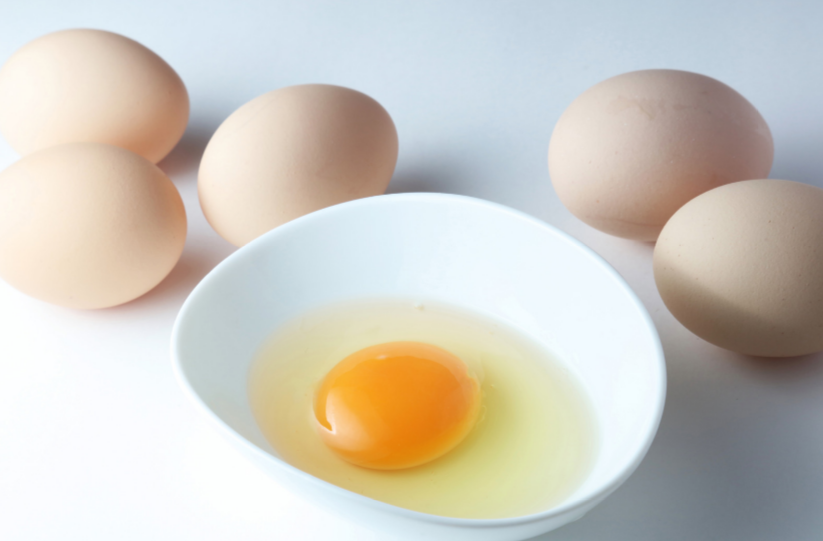
Raw eggs may seem like a healthy treat for pets, but they come with hidden dangers that could affect your pet’s health.
Raw eggs can contain harmful bacteria, such as Salmonella and E. coli, which can cause severe gastrointestinal illness in pets. In addition to bacterial risks, raw eggs contain an enzyme called avidin that can interfere with the absorption of biotin, a B-vitamin essential for healthy skin and coat.
Risks Associated with Raw Eggs
Feeding raw eggs to pets can cause:
Bacterial infections: Salmonella and E. coli can cause vomiting, diarrhea, and dehydration in pets.
Biotin deficiency: The enzyme avidin can reduce biotin absorption, leading to skin issues like hair loss, dry skin, and flaky patches.
Clinical Signs of Raw Egg Ingestion- secondary to bacterial infection
Symptoms of bacterial infection or biotin deficiency can include:
Vomiting: may be intermittent or persistent, and pets may appear uncomfortable or restless when this symptom is present.
Diarrhea: The stool may become watery, soft, or may even contain blood or mucus. Diarrhea can progress to having blood and mucus in the stool.
Dehydration: Prolonged vomiting and diarrhea can cause dehydration, which is a serious condition. Signs of dehydration include dry gums, sunken eyes, and skin that doesn't return to normal when pinched.
Loss of Appetite (Anorexia): A decreased appetite may be seen as a consequence of gastrointestinal upset, as pets may associate eating with feeling unwell.
Abdominal Pain: Pets may appear more restless or try to avoid touching their stomach area.
Fever: A fever may also develop in response to the bacterial infection. Pets with an elevated temperature may be more lethargic, have a reduced appetite, and display general discomfort.
Clinical Signs of Raw Egg Ingestion- secondary to biotin deficiency
Biotin deficiency, caused by the enzyme avidin in raw eggs, can lead to several noticeable signs, particularly in the skin and coat. If your pet is consistently fed raw eggs or has a prolonged deficiency in biotin, they may show some of the following symptoms:
Skin Issues:
Dry, flaky, or scaly skin: Biotin is essential for maintaining healthy skin, so its deficiency often leads to dryness and flaking. You may notice dandruff-like flakes or scaly patches on your pet’s skin.
Rashes or lesions: In more severe cases, a biotin deficiency can cause irritated or inflamed patches of skin, sometimes leading to rashes or open sores. These can be uncomfortable and may cause your pet to scratch or lick excessively.
Hair Coat Problems:
Hair loss (alopecia): Biotin is critical for hair follicle health, so a deficiency may result in thinning or patchy hair loss. You may notice that your pet’s coat becomes noticeably thinner or that bald patches begin to form.
Dull or brittle fur: A healthy coat shines and feels smooth, but pets with biotin deficiency may develop a dull or dry coat that feels brittle to the touch. Their fur may break or become weak, further contributing to hair loss.
Weakness and Lethargy:
Fatigue or lethargy: Since biotin plays a role in energy production, a deficiency may cause your pet to feel tired, weak, or less active than usual. They may sleep more or be less interested in physical activities like playing or walking.
Decreased activity: Biotin deficiency may cause pets to be less inclined to move around, and they might seem generally sluggish or unwilling to engage in their usual routines.
Digestive Issues:
Diarrhea or changes in stool consistency: While not as common as the skin and coat issues, some pets may experience digestive upset, such as diarrhea or softer stools. This can be another indicator that something is affecting their overall health, possibly related to biotin deficiency.
Loss of appetite: Pets with biotin deficiency may experience a decrease in appetite, which can further contribute to weakness or weight loss. They may show less interest in food or only eat small amounts at a time.
Behavioral Changes:
Irritability or changes in mood: Pets suffering from nutritional deficiencies may also display behavioral changes, such as being more irritable, anxious, or restless. This is often due to discomfort caused by skin irritation, weakness, or general malaise.
What to Do If Your Pet is Exposed
If your pet eats a raw egg consider calling Poison control to consult
ASPCA Poison Control: 888-426-4435
If clinical signs are seen, care is likely going to be warranted.
Blood or fecal testing may be needed
Fluids, antibiotics, anti-nausea medications may be recommended.
Note: If your pet is healthy but consumes eggs regularly, consult your vet about potential long-term effects.
Prevention Tips
Avoid feeding raw eggs to your pets.
Use cooked eggs if you want to provide this food as a treat or supplement.
Store eggs safely to prevent pets from accessing them.
Final Thoughts
While raw eggs may offer some nutritional benefits, the risks of bacterial infection and biotin deficiency outweigh the advantages. Always consult your veterinarian before introducing new foods into your pet’s diet and avoid raw eggs for the safety of your pet.
