
Alcohol and Yeast Dough Toxicity
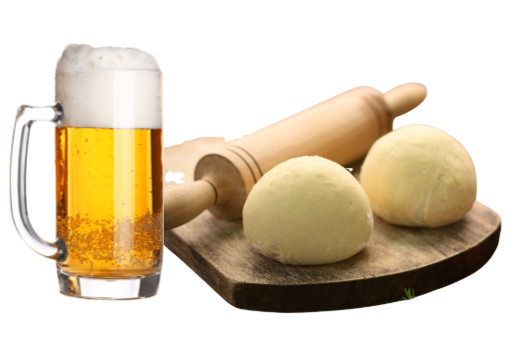
Alcoholic drinks and rising yeast dough both contain ethanol, which can cause serious toxicity in pets. According to ASPCA poison control, pets often find both surprisingly palatable, making accidental ingestion more common than many pet families realize.
While the source of ethanol may differ, the effects on the body are similar and can become life threatening without prompt treatment.
Why Is It Dangerous?
Ethanol acts as a central nervous system depressant. Once absorbed, it interferes with normal brain function, blood sugar regulation, and body temperature control.
With alcoholic beverages, ethanol is absorbed quickly, and signs may begin within 30 minutes. With yeast dough, ethanol is produced as the dough continues to ferment inside the stomach, leading to delayed and unpredictable onset of signs, sometimes hours after ingestion.
Yeast dough also produces carbon dioxide, which can cause dangerous stomach distension, increasing the risk of bloat or gastric dilatation volvulus in dogs.
Who’s Most at Risk?
Dogs that have access to unattended alcoholic drinks at parties or gatherings
Dogs that counter surf or steal raw dough
Small dogs, where even small amounts can cause severe toxicity
Pets with underlying neurologic disease
Puppies and kittens
Signs of Alcohol or Yeast Dough Toxicity
Symptoms may include:
Ataxia or loss of coordination
Lethargy or depression
Disorientation or vocalization
Vomiting
Hypothermia
Rapid heart rate or breathing difficulty
Tremors or seizures
Recumbency or coma
Aspiration pneumonia
Signs can worsen quickly and should always be treated as an emergency.
What To Do If Your Pet Is Exposed
Do not wait for symptoms to appear.
Never induce vomiting at home unless specifically directed by a veterinarian or poison control, especially if your pet is already showing signs of intoxication.
Contact poison control immediately.
ASPCA poison control: 888-426-4435
Be prepared to share what was ingested, when it happened, and your pet’s size and current symptoms.
What to Expect at the Vet
There is no antidote for ethanol toxicity, so treatment focuses on supportive care. Depending on severity, your pet may receive:
Intravenous fluids for hydration and support
Antiemetics to reduce aspiration risk
Blood glucose monitoring with dextrose supplementation if needed
Temperature support
Medications to control tremors or seizures
Oxygen therapy or airway protection in severe cases
Pets that ingest yeast dough may also be evaluated for gastric distension or bloat.
Recovery can range from several hours to multiple days depending on the amount ingested and how quickly treatment begins.
Prevention Tips
Keep alcoholic drinks out of reach at all times
Dispose of unfinished drinks promptly
Store bread and pizza dough securely
Supervise pets closely during holidays and gatherings
Ask guests not to share food or drinks with pets
Final Thoughts
Alcohol and yeast dough exposures can lead to rapid neurologic depression, metabolic disturbances, and serious complications in pets. Early recognition and prompt veterinary care greatly improve outcomes.
If you suspect your pet has been exposed, contact your veterinarian or ASPCA poison control immediately at 888-426-4435.
Gal Chivvis, DVM
