
Coconut and Coconut Oil
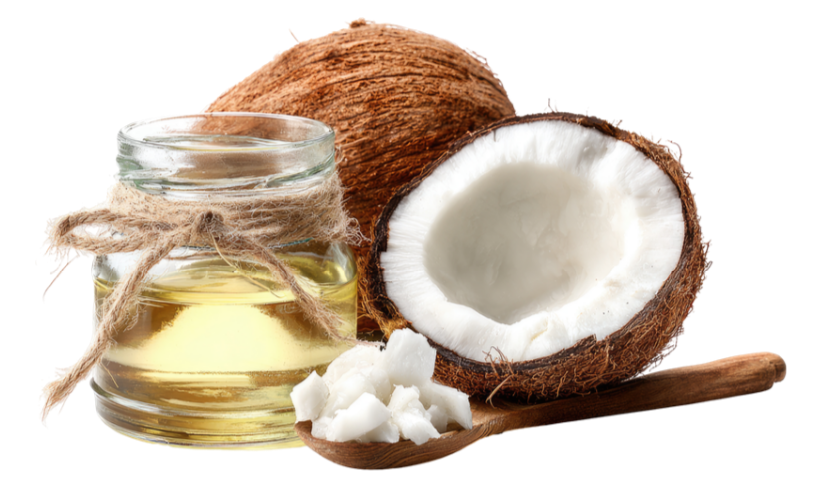
Coconut and coconut-based products, commonly found in homes and pet care routines, are generally considered safe for pets in small amounts. However, when ingested in large quantities, they can cause health issues, due to their high fat content. Coconut flesh, coconut milk, and coconut oil can lead to gastrointestinal upset, including diarrhea, vomiting, and discomfort. Pets with sensitive stomachs or conditions like pancreatitis are especially vulnerable to more severe issues, such as weight gain or digestive inflammation, from consuming too much coconut.
Signs to Watch For:
Vomiting or diarrhea
Decreased appetite
Lethargy or discomfort
Increased thirst (especially if coconut oil is ingested)
Sluggish behavior or unusual irritability after ingestion
What to Do at Home:
If you suspect your pet ingested coconut/ coconut oil: contact Animal Poison Control right away for immediate guidance.
ASPCA Poison Control: 888-426-4435
Follow recommendations, which may include close monitoring at home.
What to Expect at the Veterinary Hospital:
If it is recommended to be seen by a veterinarian, testing recommended will vary based on the amount ingested and any clinical signs seen.
Following a full physical exam, the vet may suggest blood tests or imaging (X rays, ultrasound)
If gastrointestinal upset is present, your vet may recommend supportive care, such as fluids to prevent dehydration, anti-nausea medications, or pain relief.
In cases of severe issues like pancreatitis, the vet may suggest additional medications or even hospitalization with monitoring for several days.
Final Thought:
While coconut and coconut oil are not typically toxic, they can cause digestive upset and other health issues if consumed in large quantities. If you suspect your pet has ingested coconut, contact Poison Control immediately, and consult your veterinarian for proper care.
Gal Chivvis, DVM
