
Raw Bone Ingestion
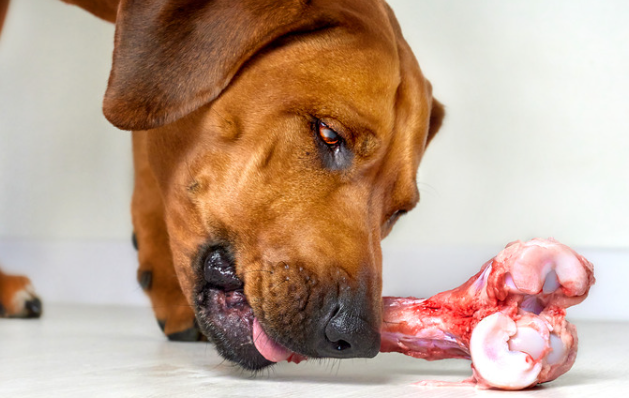
Raw bones may seem like a natural or healthy option for pets, but feeding raw bones should be discouraged. Raw bone ingestion carries real risks to your pet’s health, even though the severity of those risks can vary based on the type of bone ingested. Large, dense bones—such as beef or marrow bones—are more likely to cause significant injury, but smaller bones like chicken or pork bones are not without risk. Even when bones are partially digested, complications can still occur depending on how they are chewed, swallowed, and processed by the gastrointestinal tract.
Risks Associated with Raw Bones
It is not unusual for veterinarians to receive calls about dogs ingesting raw bones. In many cases, a dog’s natural stomach acids are capable of breaking down raw bones, allowing them to pass through the gastrointestinal tract. Because of this, severe complications such as complete obstruction are less common than with non-digestible foreign objects.
However, digestion does not mean the process is harmless. Raw bone ingestion can still cause inflammation, irritation, and pain within the GI tract.
Raw bones can be dangerous for pets to ingest for various reasons:
Gastrointestinal upset: Raw bones can irritate the stomach and intestines, leading to vomiting, diarrhea, abdominal pain, and inflammation of the colon (colitis). Bloody or mucus-covered diarrhea is a fairly common presentation.
Pancreatitis: Bones that still contain meat, fat, or marrow can increase the risk of pancreatitis, particularly in small-breed dogs, dogs with prior episodes of pancreatitis, or pets that are not accustomed to high-fat foods.
Dental injury: Chewing on hard, dense bones can result in fractured teeth, gum trauma, and oral pain.
Bone fragments and gastrointestinal discomfort: As raw bones break down, sharp fragments may form and cause pain or irritation as they move through the gastrointestinal tract.
Gastrointestinal obstruction: Although less common than with non-digestible foreign objects, larger bone fragments swallowed whole can become lodged in the stomach or intestines and may require medical or surgical intervention.
Gastrointestinal penetration or perforation: Penetration of the gastrointestinal tract is rare but serious and may occur if sharp bone fragments damage the stomach or intestinal lining.
Clinical Signs of Bone Ingestion
If your pet has ingested a raw bone, watch for the following signs:
If your pet has ingested a raw bone, recognizing early signs of complications is important. Clinical signs associated with raw bone ingestion may include:
1. Vomiting or gagging: Irritation of the stomach or esophagus can cause nausea, retching, or repeated attempts to vomit.
2. Diarrhea or bloody stool: Inflammation of the colon can lead to diarrhea. In some cases, this may present as bloody or mucus-covered stool due to colitis.
3. Abdominal pain or discomfort: Your pet may appear tense, restless, or uncomfortable when the abdomen is touched, or may adopt a guarded posture.
4. Decreased appetite or refusal to eat: Gastrointestinal irritation or pain can result in reduced interest in food.
5. Lethargy: Pets experiencing discomfort, inflammation, or secondary complications may appear unusually tired or less active.
6. Drooling or difficulty swallowing: Oral trauma, esophageal irritation, or nausea may cause excessive drooling or difficulty swallowing.
7. Straining to defecate: Bone fragments or colonic irritation may lead to constipation, straining, or frequent unsuccessful attempts to pass stool.
What to Do If Your Pet is Exposed
Call your veterinarian post ingestion to discuss the details
Include information about time of ingestion, the type of bone ingested, amount ingested, and presence of any signs
Depending on the amount ingested and the expectation of passing, your vet may recommend monitoring at home OR a visit to the vet clinic
If home monitoring is recommended, your vet may suggest bulking the diet to help the bones pass, or a bland diet to help ease the GI tract
The vet may suggest X rays be performed to assess the location/ size of the bones
An ultrasound or blood work may also be indicated.
Prevention Tips
Avoid giving raw bones to pets
Choose safer chew alternatives designed for pets, like rubber toys or dental chews.
Always supervise your pet when they chew on toys or treats.
Final Thoughts
Raw bones may seem natural, but they can cause serious harm to your pet. If you suspect your pet has ingested a raw bone, contact a veterinarian immediately. It is best to avoid feeding bones to your pet.
Dr. Gal Chivvis
