
Dry eye (KCS, Keratoconjunctivitis Sicca)
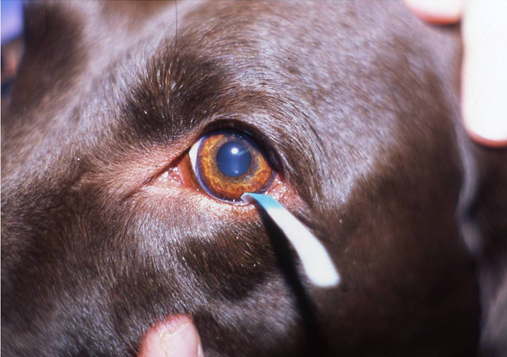
Keratoconjunctivitis Sicca (KCS), also known as Dry Eye, is a condition in which a dog’s eyes do not produce enough tears to keep the eye’s surface properly lubricated. This can lead to discomfort, inflammation, and potential damage to the cornea. KCS is a chronic condition that requires consistent management to prevent complications.
Who's Most Affected?
KCS can affect any dog, but some breeds are more prone to developing dry eye due to genetic factors. These breeds include:
Cocker Spaniels
Shih Tzus
Lhasa Apsos
Pugs
English Bulldogs
Dogs with other health conditions, such as hypothyroidism or autoimmune diseases, are also at an increased risk for developing KCS. Additionally, older dogs may be more likely to develop this condition due to the natural aging process.
Signs of Dry Eye in Dogs
The symptoms of KCS can range from mild irritation to severe discomfort. Some common signs include:
Excessive eye discharge (thick, mucous-like discharge)
Redness or inflammation in the eyes
Frequent squinting or blinking
Cloudy or dull appearance of the eyes
Rubbing the eyes or pawing at the face
Sensitivity to light
Dry or crusty nasal discharge: this may occur due to reduced tear production.
If your dog is showing any of these symptoms, it’s important to have them evaluated by a veterinarian to prevent further damage to the eyes.
What You Can Do
If you note changes to your dog’s eyes, a veterinary visit is warranted. If your veterinarian is unavailable, urgent care or ERs can assist. Also, some veterinary ophthalmologists are able to consult or even receive patients on very short notice.
Diagnostic Tests for Dry Eye
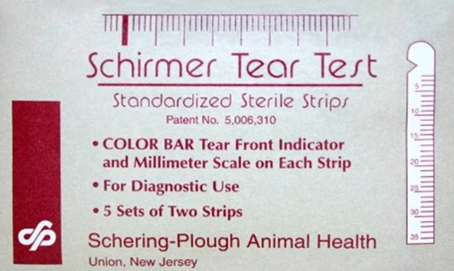
To diagnose KCS, your veterinarian will perform
A Schirmer tear test, which measures the amount of tear production. If the tear production is below normal, KCS is suspected. Additional tests may include:
Ophthalmic exam: To evaluate the cornea and the overall health of the eye.
Fluorescein stain test: To check for corneal ulcers or damage to the eye’s surface, which is common in severe cases of KCS.
Common Interventions
Treatment for KCS often involves a combination of at-home care and veterinary interventions:
Use of lubricating eye drops or gels: These help replenish the missing tears and keep the eyes moist. Products like Genteal Tears are often recommended for long-lasting relief.
Medications to stimulate tear production: Drugs such as cyclosporine A (Optimmune) and tacrolimus are used to increase natural tear production in dogs with KCS. These medications work by modulating the immune response to reduce inflammation in the tear-producing glands, thereby stimulating the production of tears.
Antibiotic or anti-inflammatory treatments: If your dog has developed secondary infections or significant inflammation, your veterinarian may prescribe topical medications.
Cleaning the eye area: Regular cleaning of the eye area can help reduce discharge and prevent further irritation.
Surgical options: In severe cases, a procedure called parotid duct transposition can be performed, where saliva is redirected to the eye to provide moisture.
Prognosis for Dogs with Dry Eye
With early detection and proper treatment, the prognosis for most dogs with KCS is good. Many dogs respond well to medications and lifestyle changes, and their symptoms can be managed effectively. However, because KCS is a lifelong condition, it requires ongoing care.
In severe cases, KCS can lead to corneal ulcers or scarring, which can result in permanent vision impairment. It’s important to keep up with regular veterinary check-ups to monitor the condition and adjust treatments as needed.
Conclusion
Keratoconjunctivitis Sicca (dry eye) is a manageable condition, but it requires dedication and consistency from pet owners. Early detection and appropriate treatment can significantly improve your dog's comfort and quality of life. If you notice any signs of eye discomfort in your dog, consult your veterinarian for a comprehensive eye exam. With the right care, your dog can lead a happy and healthy life.
Gal Chivvis, DVM
