
Embedded Toenails in Cats
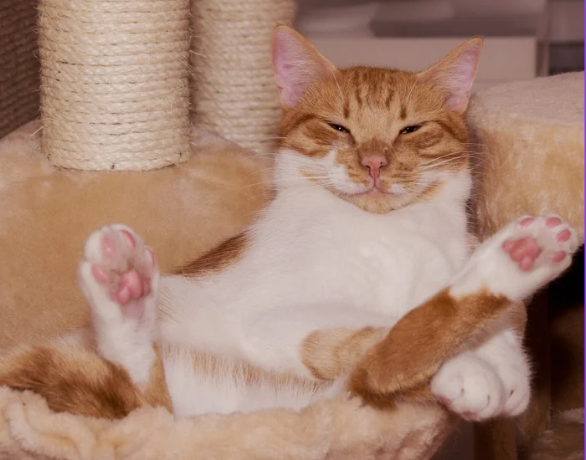
Embedded toenails, also known as ingrown or embedded claws, occur when a cat’s nail grows into the paw pad. This painful condition can lead to bleeding, swelling, and infection. While it can happen in any cat, it is most commonly seen in older cats, especially those who have difficulty grooming themselves or maintaining regular nail care.
Who’s Most Affected?
Older cats: As cats age, they may develop arthritis or other conditions that prevent them from grooming themselves effectively. Cats with mobility issues are also at a higher risk.
Cats with overgrown nails: When a cat’s nails are too long and left untrimmed, they are more likely to become embedded in the paw pad.
Cats with limited mobility: Cats who don’t walk much may experience less wear on their nails, leading to longer nails that can grow into the paw pad.
Signs to Look Out For:
The symptoms of embedded toenails can vary in severity, but common signs include:
Bleeding paw or toe area: You might notice blood around the affected paw or nail.
Pain and discomfort: Your cat may cry out or pull away when its paw is touched. They may also be reluctant to walk or put weight on the affected leg.
Swelling and redness: The paw pad around the toenail may appear swollen, red, or inflamed.
Limping or favoring the paw: If the condition is painful, your cat may limp or avoid using the paw altogether.
What You Can Do
If you suspect your cat has an embedded toenail, it’s important to seek veterinary care immediately. While some minor cases can be treated at home with proper trimming, a veterinary visit is usually recommended for proper care. Your veterinarian will typically:
Clip the nail back to relieve pressure and prevent further injury.
Clean the area thoroughly to remove any debris or infection.
If necessary, the vet may prescribe topical or systemic (oral) antibiotics to prevent or treat infection.
Pain medications may also be given to help manage discomfort.
Post-Vet Care Tip:
After the paw pad has been treated and is healing, consider using an alternative to traditional litter for a few days. This can prevent further irritation or injury to the area. Options include:
Newspaper: Tear up old newspaper as a temporary substitute.
Paper-based litter: Choose a gentle, non-clumping litter that’s easy on healing paws.
Prevention
Regular nail trims are the best way to prevent embedded toenails. Here are a few tips:
Trim your cat’s nails regularly to prevent them from becoming too long. This is especially important for senior cats or those with limited mobility.
Provide scratching posts to help keep nails at a healthy length and encourage natural grooming.
Regular veterinary check-ups can ensure your cat’s paws and nails are in good condition, especially as they age.
Final Thought:
Embedded toenails may not seem like an emergency, but they can cause significant pain and discomfort if left untreated. Be proactive in checking your cat’s paws, especially if they’re older or have difficulty walking. Early detection and intervention will make a huge difference in your cat’s comfort.
Gal Chivvis, DVM
