
Ginkgo Trees

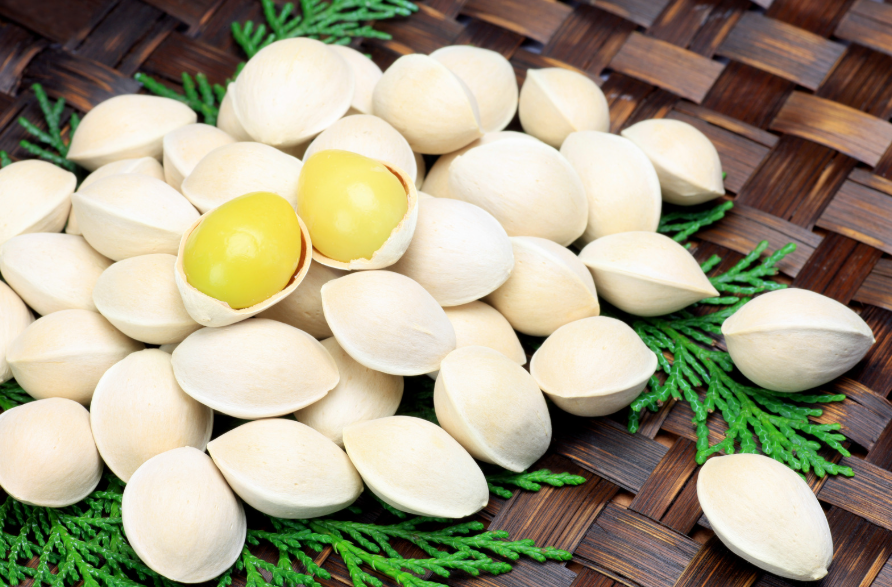
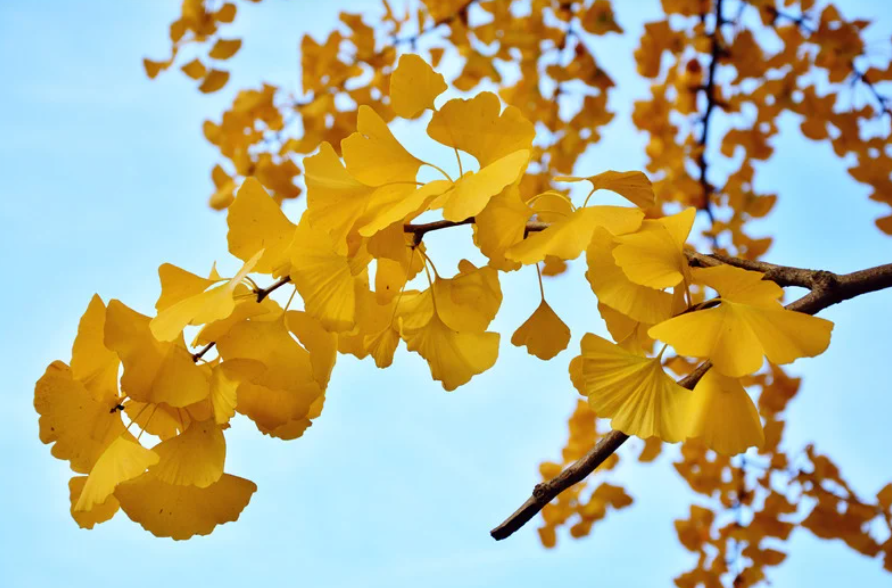
Ginkgo trees are famous for their beautiful golden leaves in fall, but they can cause a hazard to pets. The fleshy coating around ginkgo seeds can cause gastrointestinal upset and, in some cases, more serious reactions in pets. Understanding why helps keep curious dogs and cats safe during fall walks.
How Ginkgo Trees Can Harm Pets
Toxic compounds: The fleshy outer layer of ginkgo fruit contains chemicals that can irritate the stomach and, in some pets, affect the nervous system.
Seeds: Inside the fruit, the seeds contain a compound called 4'-O-methylpyridoxine (ginkgotoxin), which interferes with vitamin B6 metabolism and can lead to tremors or seizures if eaten in large amounts.
Smell factor: The fruit’s strong, rancid odor often attracts dogs who may sniff or taste it. Even small amounts can cause vomiting or diarrhea.
While poisoning is uncommon, ingestion of multiple seeds or frequent snacking on fallen fruit can cause illness, especially in smaller pets.
Signs of Ginkgo Fruit or Seed Poisoning
Vomiting
Diarrhea
Drooling
Abdominal pain
Weakness or tremors
Incoordination or seizures (rare, in larger exposures)
What to Do if Your Pet Eats Ginkgo Fruit or Seeds
Call ASPCA Poison Control immediately at 888-426-4435 for expert advice.
Do not try to induce vomiting unless instructed.
Rinse any residue off your pet’s face or paws to prevent further ingestion.
Bring a sample or photo of the fruit or seeds to help with identification.
Veterinary Care
Depending on severity, your veterinarian may:
Administer medications to control vomiting and protect the stomach
Provide IV fluids to maintain hydration
Treat tremors or seizures if neurological signs appear
Recommend monitoring for 12–24 hours if significant ingestion occurred
Most pets recover well with supportive care.
Prevention
Avoid letting pets sniff or play around ginkgo trees, especially when fruit is falling.
Clean up dropped fruit promptly if a ginkgo tree is on your property.
Keep dogs on leash during fall walks in urban areas where these trees are common.
Educate pet sitters or walkers about the risk.
Become familiar with the appearance of this tree and others, so that you can be on the lookout for additional hazards
Final Thought
Ginkgo trees add color and beauty to the fall season, but their fruit and seeds can lead to trouble for pets. Even small exposures may lead to vomiting or diarrhea, and larger ingestions can cause tremors or more serious effects. Keep pets away from fallen fruit, and if you suspect ingestion, call ASPCA Poison Control right away for guidance.
Dr. Gal Chivvis
📌 Information adapted and expanded with reference to ASPCA Poison Control.
